- A Guide to Grand Bahama Island History: From Early Settlers to Modern Tourism
- The Ancient and Colonial Eras
- The Early Settlers
- European Claim and the Age of Pirates
- Smuggling and Modern Expansion
- Civil War and Prohibition Booms
- The Birth of a Modern City
- Grand Bahama Today
- Economy and Demographics
- Island Facts: Did You Know?
A Guide to Grand Bahama Island History: From Early Settlers to Modern Tourism
The Ancient and Colonial Eras
The Early Settlers
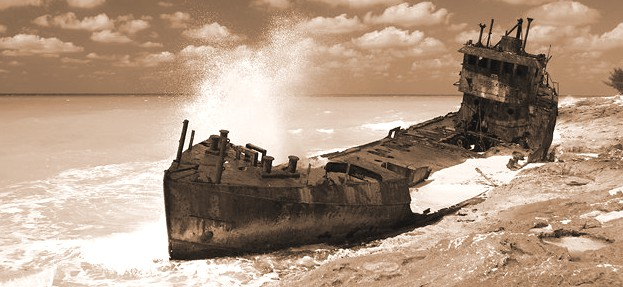
When tracing the roots of the Original Inhabitants of Bahamas, archaeological evidence points directly to the Siboney Indian tribes. These early settlers were a people who lived primarily off the sea, arriving on the islands as early as 7,000 years ago. However, they eventually disappeared when another indigenous group, the Lucayans (also known as Arawaks), migrated up the Caribbean from the South American Amazon.
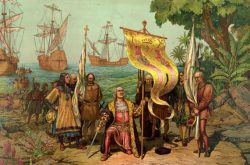
The Lucayans occupied the islands peacefully until European arrival. Christopher Columbus famously sighted San Salvador in 1492. Unfortunately, due to enslavement and transportation to Hispaniola, Cuba, and Margarita by the Spanish, the Lucayans were largely wiped out, leaving Grand Bahama mostly ignored by early Spanish explorers.
From ancient settlers and pirate hideouts to rum-running and modern tourism, explore the fascinating story and history of Grand Bahama Island.
Advertisement
End Advertisement
European Claim and the Age of Pirates
For a comprehensive look at Bahama History, the British arrival is a major milestone. Great Britain officially claimed the islands in 1670. Slowly, ports and colonies developed, which inevitably attracted an army of pirates and privateers seeking refuge in the shallow island waters.
By 1720, the British Crown had successfully established control over the piracy problem. For the next two centuries, the island remained incredibly quiet and undisturbed. When asking Who Owns the Bahama Islands today, the answer is the Bahamian people. While it remained a British territory for centuries, the Bahamas officially gained its independence in 1973, becoming a sovereign nation.
Learn all about Grand Bahama history, including early indigenous settlers, the history of Freeport Bahamas, modern demographics, and island facts.
Advertisement
End Advertisement
Smuggling and Modern Expansion
Civil War and Prohibition Booms
Grand Bahama History shifted dramatically in the mid-19th century. In 1861, with the outbreak of the American Civil War, the island’s isolation ended, and the population quickly doubled.
The Confederacy of Southern States, sitting just 55 miles offshore, fell under a strict Union blockade. Smugglers operating out of West End commanded premium prices to run essential goods—like sugar, cotton, and weapons—in and out of the South. When the war ended, the initial economic boom ended with it, but it set a precedent: the island’s fate was now closely tied to the United States.
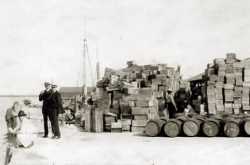
The next massive economic surge came in the 1920s during the U.S. Prohibition of alcohol. Far removed from the ancient, natural settlements of the Lucayans, warehouse operations, distilleries, bars, and supply stores rapidly transformed West End into a bustling hub for rum-runners. The islands prospered immensely until Prohibition was repealed in 1933, causing the local economy to dive once again as residents returned to fishing.
Advertisement
End Advertisement
The Birth of a Modern City
The History of Freeport Bahamas is a remarkable story of premeditated development. In 1955, Grand Bahama was one of the least developed islands in the chain—there were no resorts, no casinos, and no major tourism infrastructure.
Enter Wallace Groves, a Virginian financier who owned a lumber company on the island. Groves saw the immense potential for a tourist destination sitting just miles from the post-war economic boom in the United States. He envisioned a tropical alternative to the crowded beaches of Havana.
A crucial turning point in Freeport Bahamas History occurred in 1955 with the signing of the Hawksbill Creek Agreement. Groves partnered with the Bahamian government to build a purpose-designed city catering to both industry and tourism. Today, it stands as a testament to that vision—a community completely tailored to the getaway tourist, offering endless vacation activities.
Advertisement
End Advertisement
Grand Bahama Today
Economy and Demographics
Modern Grand Bahama Island History is defined by its resilience and economic diversity. Today, the Population of Grand Bahama Island sits at approximately 47,000 residents, remaining the second most populous island in the nation, even as it continues to rebuild and grow following recent storms.
The economy relies on several key pillars:
- Tourism: Driven by the Port Lucaya resort area, pristine beaches, and cruise ships visiting the island.
- Industrial Operations: Supported by the BORCO oil bunkering facility, the South Riding Point oil storage terminal, and a major trans-shipment container port managed in part by the Grand Bahama Port Authority.
- Maritime Services: A large, active shipyard and quarrying operations provide steady industrial revenue.
Advertisement
End Advertisement
Island Facts: Did You Know?
The island is highly accessible for travelers and logistics alike. There are currently four airports serving the area:
- Grand Bahama International Airport
- West End Airport
- Grand Bahama Aux AF Airport
- Deep Water Cay Airport
Trace the history of Grand Bahama Island across the centuries. Learn about its original inhabitants, Spanish and British colonial eras, colorful smuggling booms during the Civil War and Prohibition, and how the 1955 Hawksbill Creek Agreement transformed the island into a world-class travel destination.
Advertisement
End Advertisement